Ceramic Coatings
Does Graphene Coating Actually Work? What Can and Cannot Be Claimed
We make a graphene coating, so we tested whether graphene does anything measurable. What the claims are, which are testable, and what the evidence shows.

By Ducky, Co-founder and Lead Tester, ShineMD
Ducky works for Shine Master Detailers LLC, which makes ShineMD.
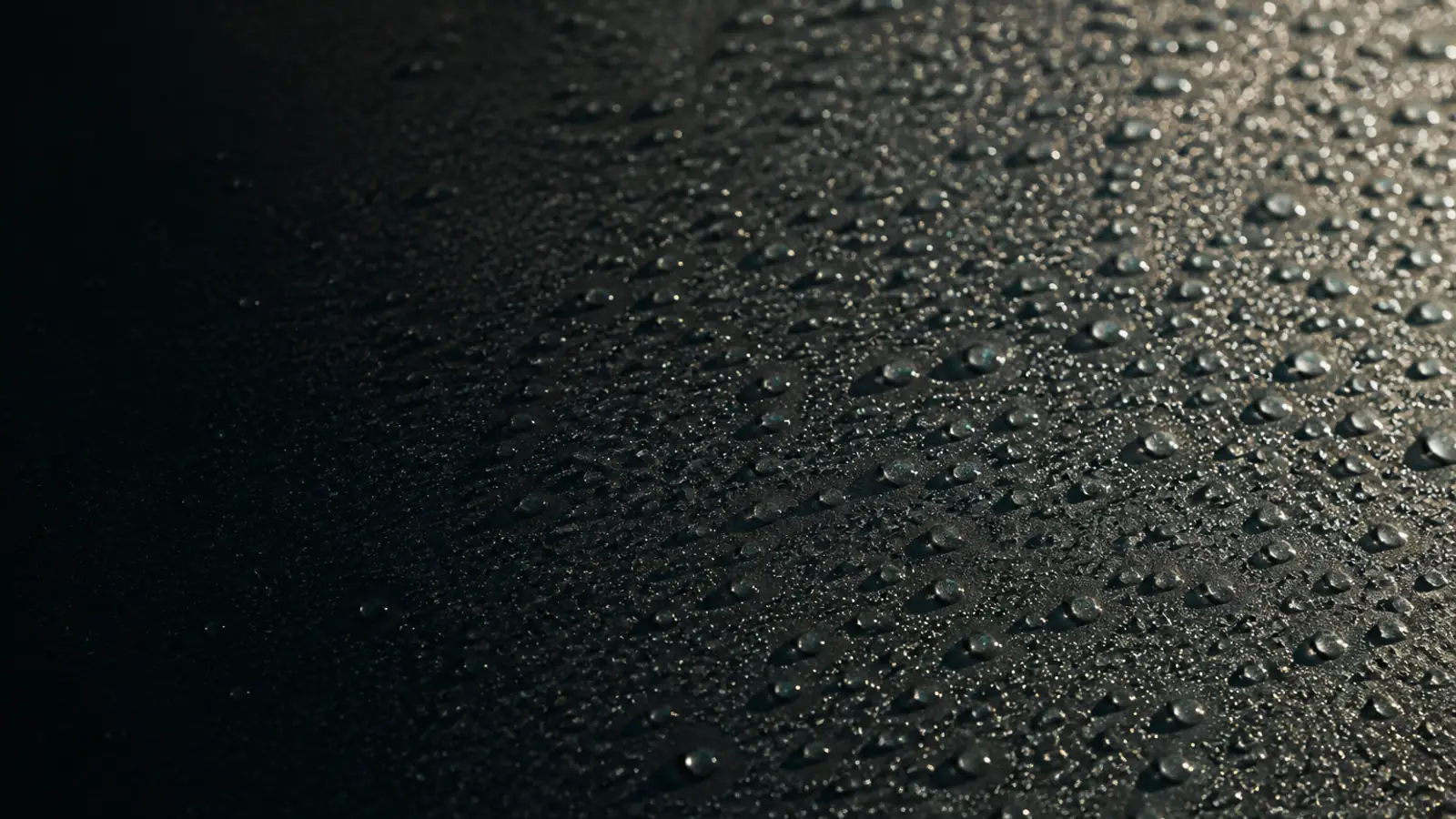
We manufacture a graphene-infused coating. That gives us an obvious interest in graphene meaning something, and it is exactly why this article exists — because when we went looking for evidence that it does, we could not find much.
What graphene is, and what that does not tell you
Graphene is a single layer of carbon atoms in a hexagonal lattice. Its material properties are genuinely extraordinary and none of that part is marketing: it has the highest tensile strength ever measured, it conducts heat and electricity remarkably well, and its isolation earned a Nobel Prize in Physics in 2010.
Now here is the part the category consistently skips. None of those facts tell you anything about whether a spray coating containing some graphene protects your paint better than one that does not.
“Two hundred times stronger than steel” describes a defect-free sheet of pure monolayer graphene under tensile load. It does not describe a few percent of reduced graphene oxide platelets suspended in a silica-polymer matrix and spread across your bonnet at a thickness measured in nanometres. Those are not the same material in any sense that survives contact with a test panel.
This is the central problem with graphene marketing, ours included: a true statement about the material is used to imply a claim about the product that does not follow from it.
The three claims that are actually testable
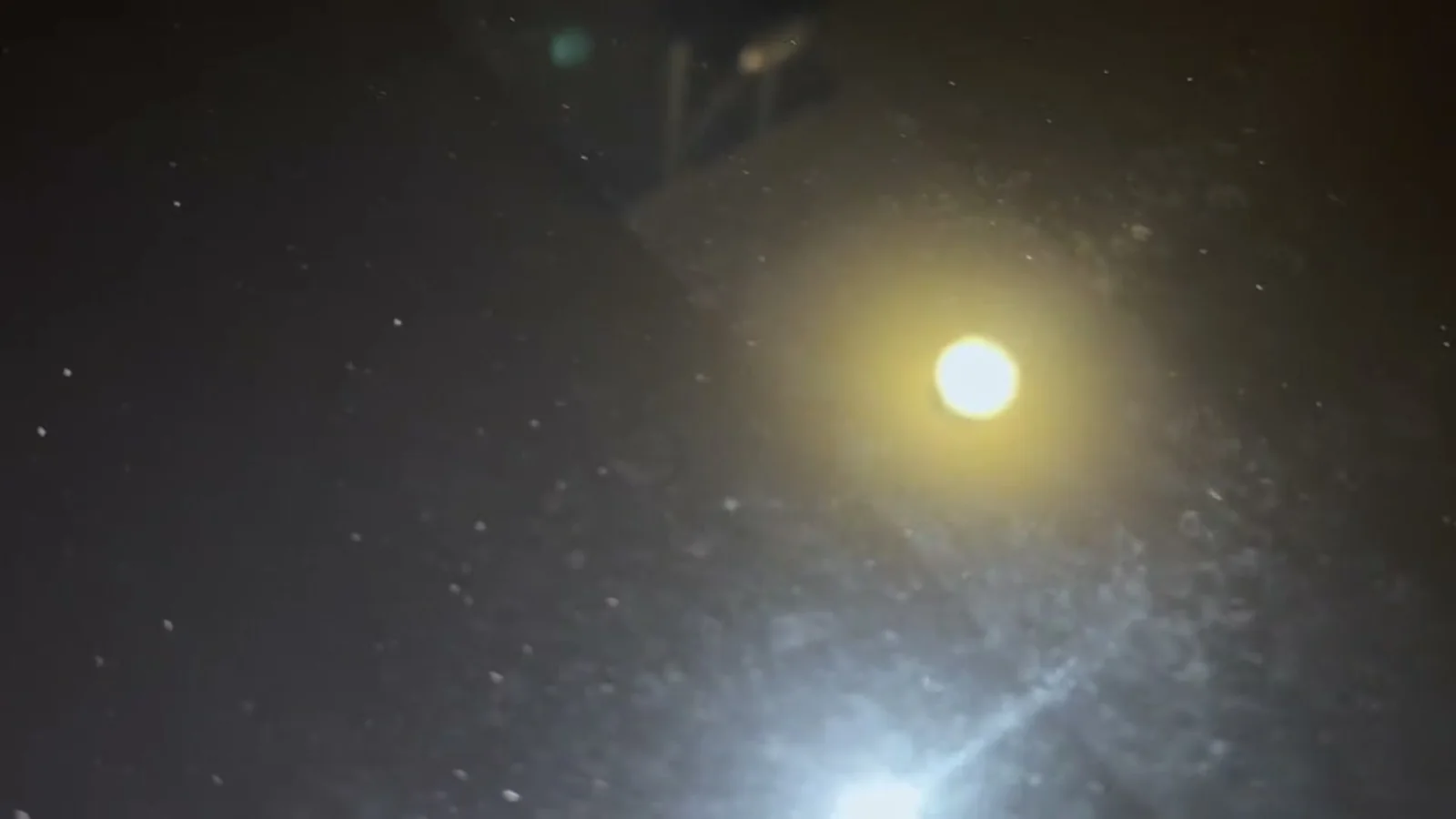
A raking light across a coated panel is how the dust claim gets checked. Still from our own filming — this frame shows the inspection method, not a result.
Strip away the tensile strength language and three falsifiable claims remain.
Graphene coatings attract less dust. The mechanism offered is anti-static behaviour — graphene’s conductivity dissipating the surface charge that makes dust cling. This is the one claim we found stated specifically enough to test, and notably it came from a brand selling a graphene coating rather than from anyone independent.
Graphene coatings run cooler. Proposed mechanism is thermal conductivity spreading heat rather than concentrating it, which would matter most on dark paint in summer.
Graphene coatings resist marring better. Proposed mechanism is greater flexibility than silica alone, allowing the layer to deform rather than fracture under light abrasion.
Each of those is measurable with equipment that costs less than a set of wheels. As far as we can establish, none has been publicly measured by anyone.
So we are measuring them
Our graphene versus silica test puts our own coating against a comparable silica-only product on matched black panels and tests all three claims: dust accumulation photographed daily for thirty days with no intervening cleaning, surface temperature logged through full sun exposure, and marring assessed under fixed inspection lighting after a controlled number of standardised wash passes.
The test is designed so that it can fail. If the graphene panel gathers the same dust, runs the same temperature, and mars the same amount, we will publish that here, about our own product. Data collection is under way and the readings go up as they are taken.
We would rather know. If graphene contributes nothing detectable at the concentration a consumer spray can carry, that changes what we should be formulating.
What you can reasonably conclude today
Graphene is not a different category from ceramic. In materials terms, “ceramic” broadly covers inorganic non-metallic materials, and the silica doing most of the work in every coating on the market — graphene-infused or not — is the same silicon dioxide. A graphene coating is a silica coating with graphene added, not a replacement technology.
Silica content and formulation quality matter more than the presence of graphene. A well-formulated silica spray will outperform a poorly formulated graphene one, and the word on the bottle tells you nothing about which you have bought.
Be suspicious of hardness numbers. Products advertising “10H” and above are citing the pencil hardness scale, which tops out at 9H. A “20H” rating is not a stricter measurement; it is a number with no scale behind it. We have seen coatings sold on exactly that claim.
Treat any durability figure without a published method as marketing. That includes ours until our test produces enough intervals to support one. This is the standard we are asking you to hold us to.
The bottom line
Graphene coatings work, in the sense that the good ones protect paint well and produce excellent water behaviour and gloss. Whether the graphene is why remains genuinely unestablished, and anyone telling you otherwise with confidence — including a manufacturer, including us — is ahead of the evidence.
We will update this page with our findings, whichever way they land.
Keep reading
All ceramic coatings guides →
How to Remove Tree Sap From Car Paint Without Damaging It
Tree sap removed on real painted panels, with the alcohol concentration question settled and the dwell times that actually worked on hardened resin.
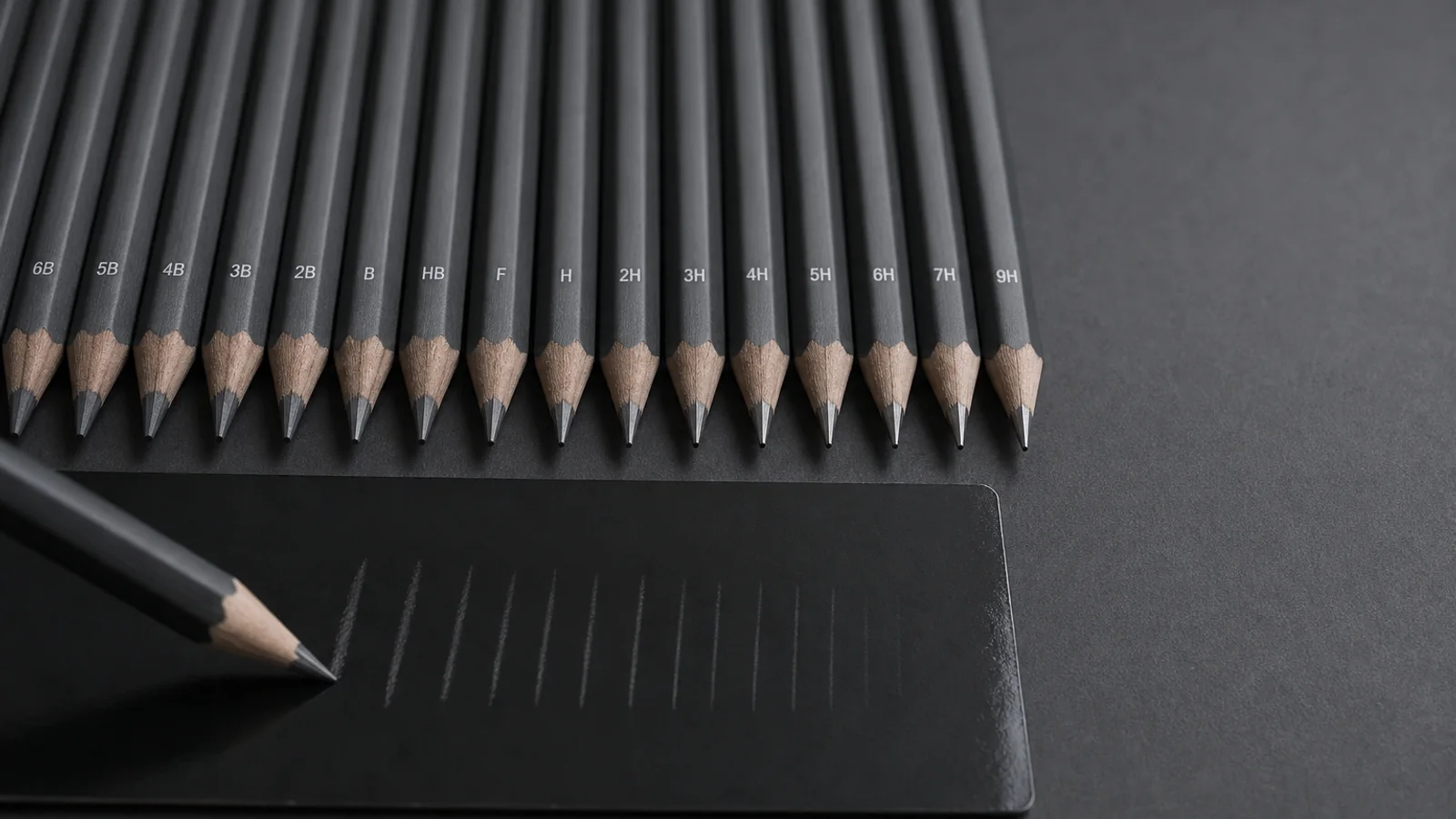
What “9H hardness” actually means on a ceramic coating, and why some brands claim 10H
The pencil hardness scale stops at 9H. We read what fifteen coating brands publish: who cites a test standard, and who claims a result above the maximum.
The Best Ceramic Spray Coating for Most People
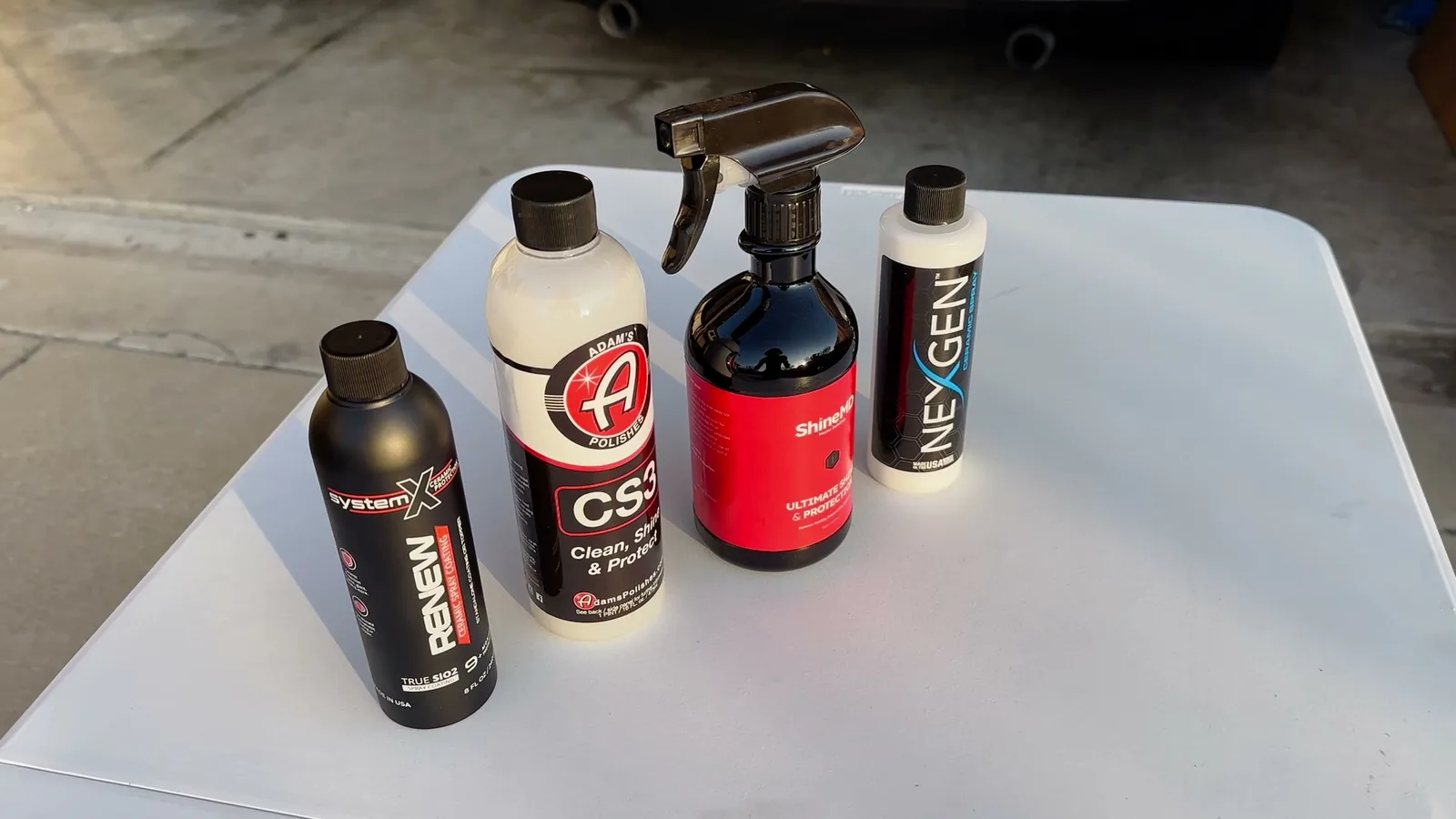
Four ceramic sprays compared on application, price, and maker claims. Ours is one of them. Durability rankings wait on published instrument readings.