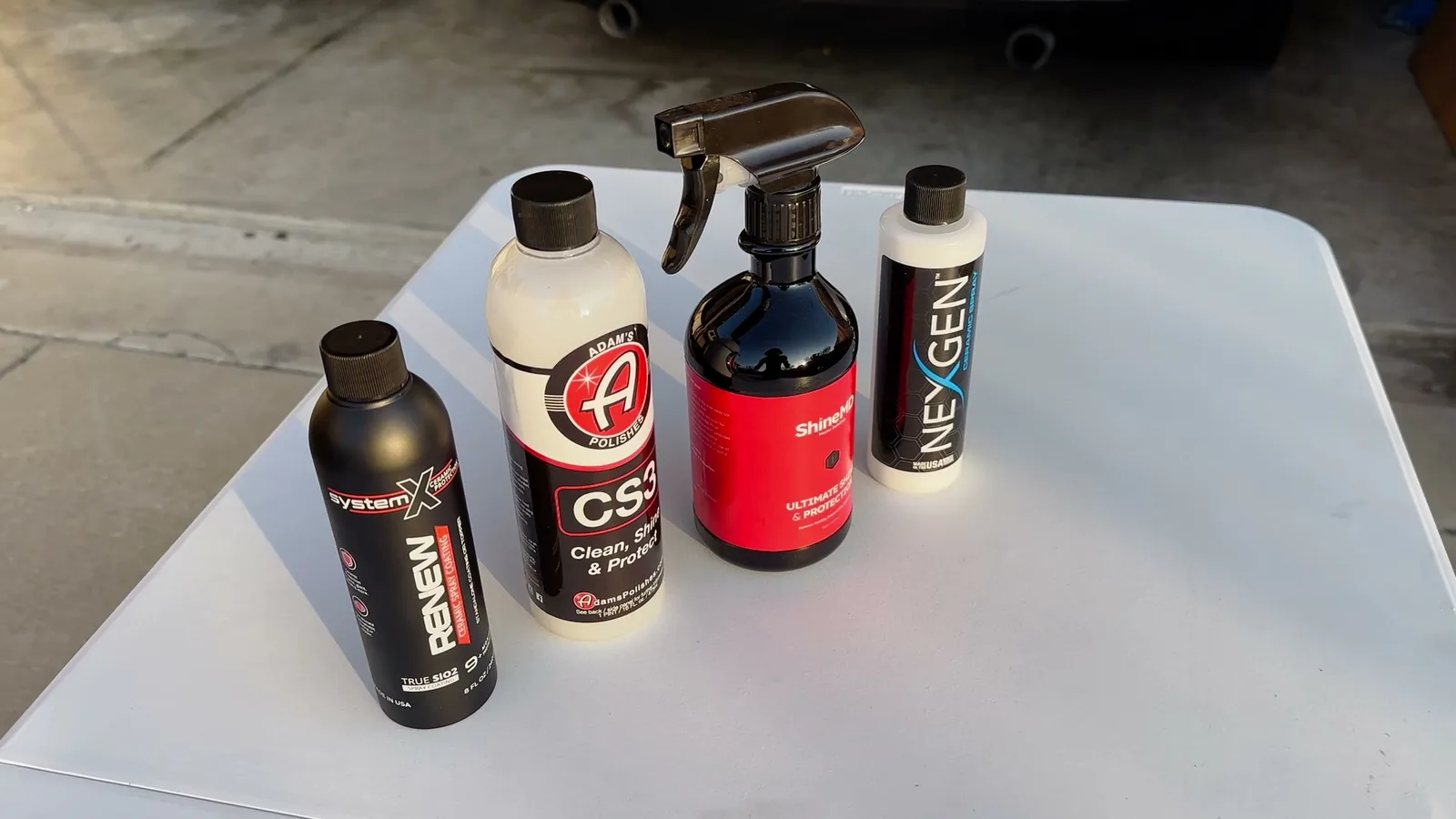
Ceramic Coatings: Tested, Measured, Explained
The category makes more unverified durability claims than any other. We measure ours and publish the numbers.
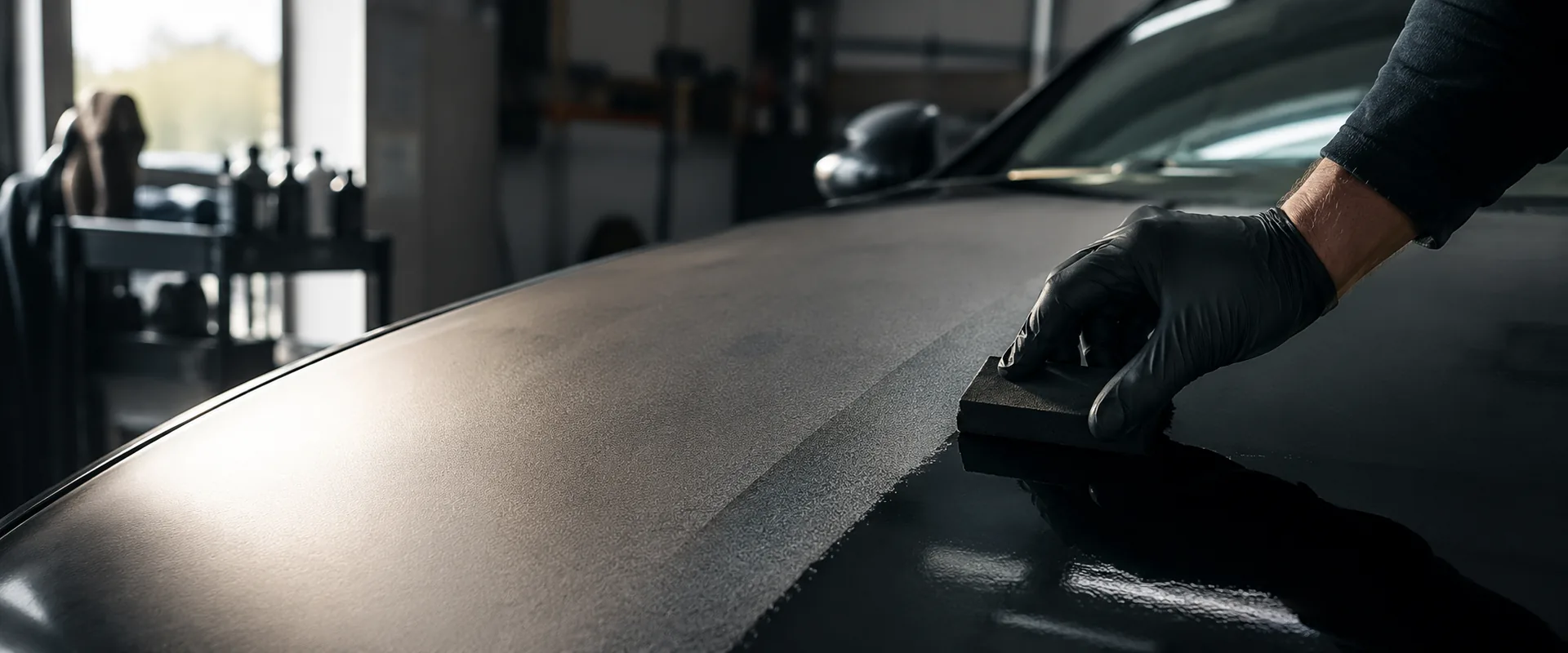
Almost everything written about ceramic coatings online shares one problem: the durability numbers are asserted rather than measured. Manufacturers publish figures with no method behind them, affiliate sites repeat those figures, and forum threads contradict both. We have seen the same product described as lasting eight weeks and nine years by two sources that both claim to have tested it.
So we are measuring instead. Every coating we discuss goes onto a prepped test panel with a documented method, gets photographed on a fixed schedule, and has its water behaviour logged over months rather than judged once on the day of application.
What a coating can and cannot do
A coating is a sacrificial layer that sits on top of your clear coat. It makes the surface harder to contaminate, easier to clean, and more reflective. It reduces how much dirt bonds to paint and how long water sits on it.
What it does not do is repair damage. A coating cannot replace clear coat that has been polished away, and it cannot remove a scratch you can catch a fingernail in. It can make light swirl marks less visible by forming a flatter surface that reflects light in one direction instead of scattering it, which is a real optical effect and not the same thing as repair.
Where graphene fits
Graphene is the newest marketing term in the category and the least substantiated. Nearly every source treats it as a layer of language over the same silica chemistry, and the one specific, falsifiable claim we could find in the wild — that graphene coatings resist dust through an anti-static effect — came from a brand selling one.
We build a graphene product ourselves, which is exactly why we ran a controlled test on that question rather than repeating the claim.
Who makes what
The category is smaller than it looks. A lot of bottles come from a handful of formulators, some brands sell only through certified installers, and one company’s professional coating and its consumer spray can share a name while sharing very little else.
Our brand index records who owns each label, how you can actually buy it, and whether the company publishes a safety data sheet, an ingredient breakdown or any test method at all behind its durability claim. It also collects every case we found where a brand’s own published figures contradict each other — which is the fastest way to tell an asserted number from a measured one.
Guides in this section
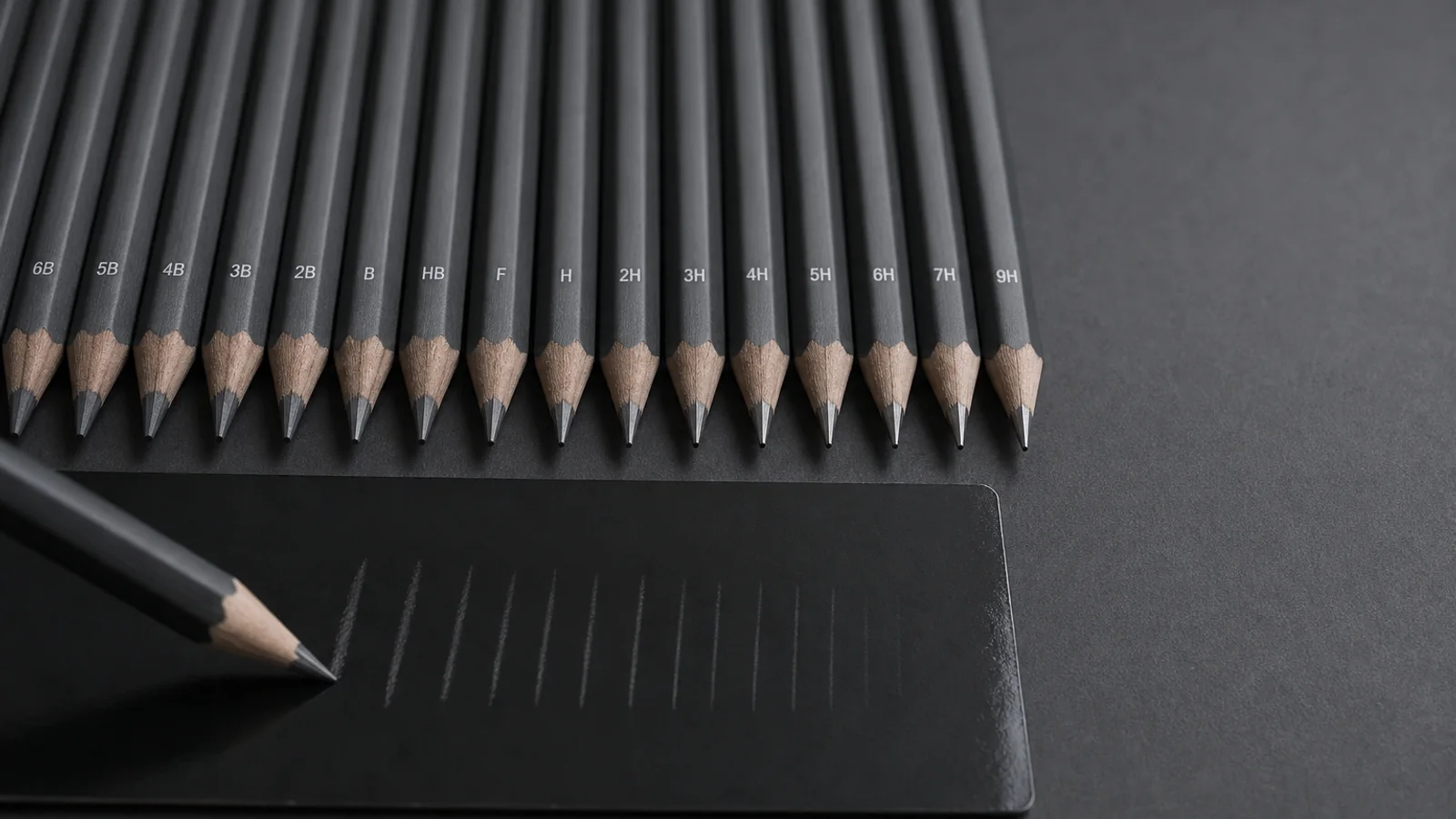
What “9H hardness” actually means on a ceramic coating, and why some brands claim 10H
The pencil hardness scale stops at 9H. We read what fifteen coating brands publish: who cites a test standard, and who claims a result above the maximum.
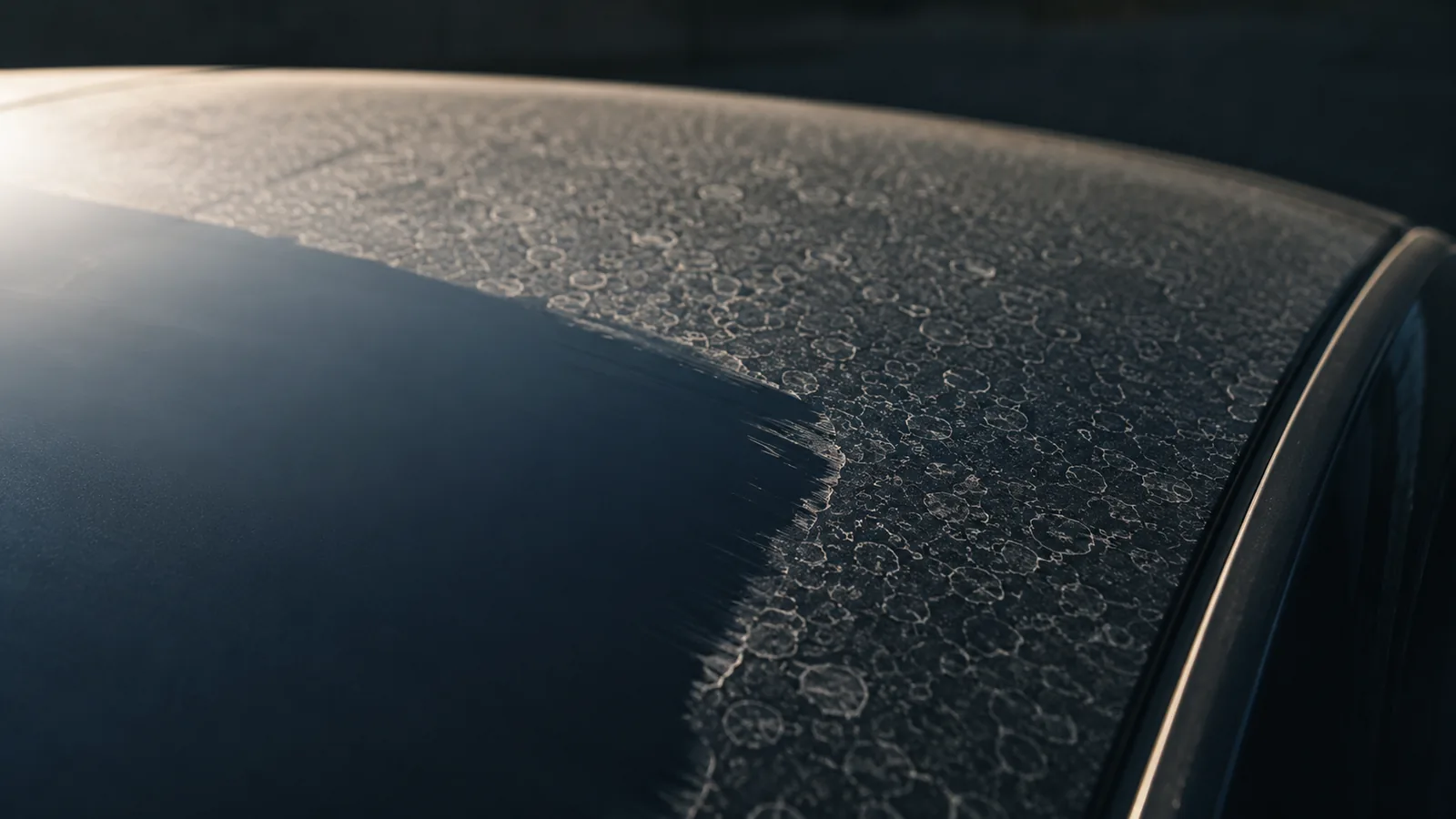
How Long Do Ceramic Coatings Really Last?
Durability claims in this category range from weeks to a decade for the same products. Why the numbers conflict, and what we are measuring instead of asserting.
Graphene vs Ceramic Coating: What Is Actually Different
Nearly every graphene coating is a silica coating with graphene added. What that means for durability claims, and which differences we can currently measure.
Does Graphene Coating Actually Work? What Can and Cannot Be Claimed
We make a graphene coating, so we tested whether graphene does anything measurable. What the claims are, which are testable, and what the evidence shows.