Glass, Water Spots and Hard Water Stains
Water spots come in two kinds. Treating the wrong one wastes an afternoon or ruins the glass.
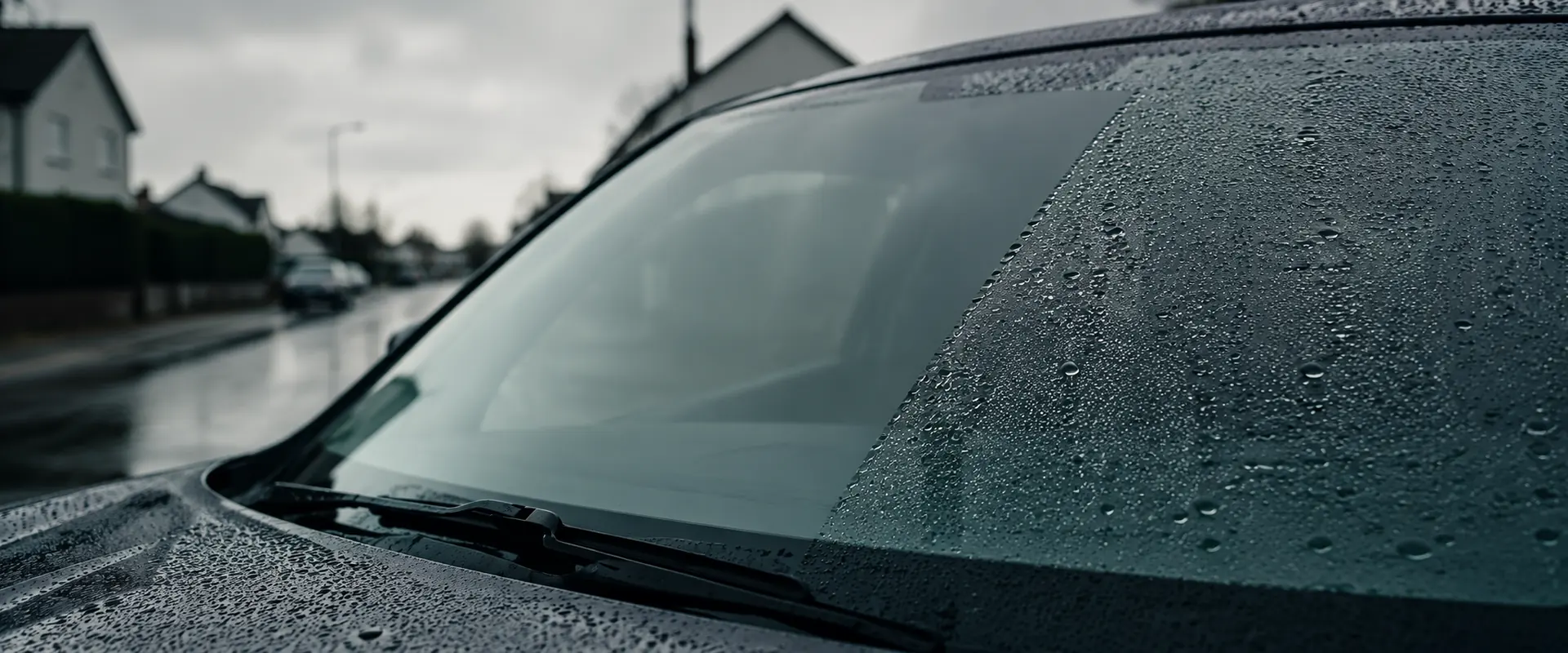
Almost every water spot problem comes down to one diagnostic question, and getting it wrong is why people spend a weekend polishing glass that needed a five-minute chemical treatment, or attack etched glass with a spray bottle and wonder why nothing changes.
Surface deposits are mineral residue left on top of the glass when hard water evaporated. They come off with an acidic cleaner or a dedicated water spot remover, and the process takes minutes.
Etched glass is a physical depression where those minerals have chemically attacked the surface. No cleaner will remove it, because there is nothing sitting on top to remove. It requires mechanical polishing with cerium oxide, which is slow, generates heat, and carries real risk of distortion if done carelessly.
The test is simple. Wet the glass. If the spots disappear while wet and reappear as it dries, they are surface deposits. If they remain visible under water, the glass is etched.
The upstream fix nobody covers
The reason you keep getting water spots is almost always your water, and that goes essentially unaddressed everywhere. Water hardness varies enormously by region, and above a certain dissolved solid content spotting stops being a technique problem and becomes a chemistry problem no drying towel can solve.