Wax & Sealants
Wax vs Sealant vs Ceramic Coating: How to Choose
Four products, one job, wildly different lifespans and effort. A straight comparison of what each actually does, from a company that sells one of them.
By Ducky, Co-founder and Lead Tester, ShineMD
Ducky works for Shine Master Detailers LLC, which makes ShineMD.
We sell a spray coating, so the incentive here is obvious: talk you into the most expensive category and out of the cheapest. We are going to try not to, because the honest answer is that for a lot of people a sealant is the better buy, and for some a wax genuinely is.
Four things are worth separating, and most comparisons conflate the last two.
Carnauba wax
A natural plant wax, usually blended with oils and solvents, that sits on the paint as a soft physical layer.
Lifespan: weeks. Perhaps four to eight in mild conditions, less in heat or heavy rain.
What it does well: the look. Carnauba produces a warmth and depth on dark paint that the synthetics genuinely do not replicate, and this is not marketing — it is a real optical difference that people who care about paint can pick out immediately. It is also very forgiving to apply and pleasant to work with.
What it does poorly: everything to do with durability. It softens in heat, it has limited chemical resistance, and detergent removes it readily.
Who it is for: enthusiasts who enjoy the process and reapply often, show cars, and dark paint where appearance outranks protection.
Synthetic sealant
A polymer that bonds to the clear coat, chemically engineered for durability rather than derived from a plant.
Lifespan: months. Roughly four to eight, depending on product and conditions.
What it does well: the sensible middle. Substantially more durable than wax and far more resistant to detergent and heat, while remaining cheap, easy to apply and easy to remove or refresh. Very hard to get badly wrong.
What it does poorly: the look, marginally, compared with carnauba on dark paint — sealants tend to read sharper and cooler. And it does not approach the hardness or chemical resistance of a real coating.
Who it is for: most people, honestly. If you want protection you do not have to think about more than twice a year and you are not chasing maximum performance, this is the value pick in the category.
Spray ceramic coating
A silica-based product that cross-links into a hard, glass-like layer bonded to the clear coat. This is the category our own product is in.
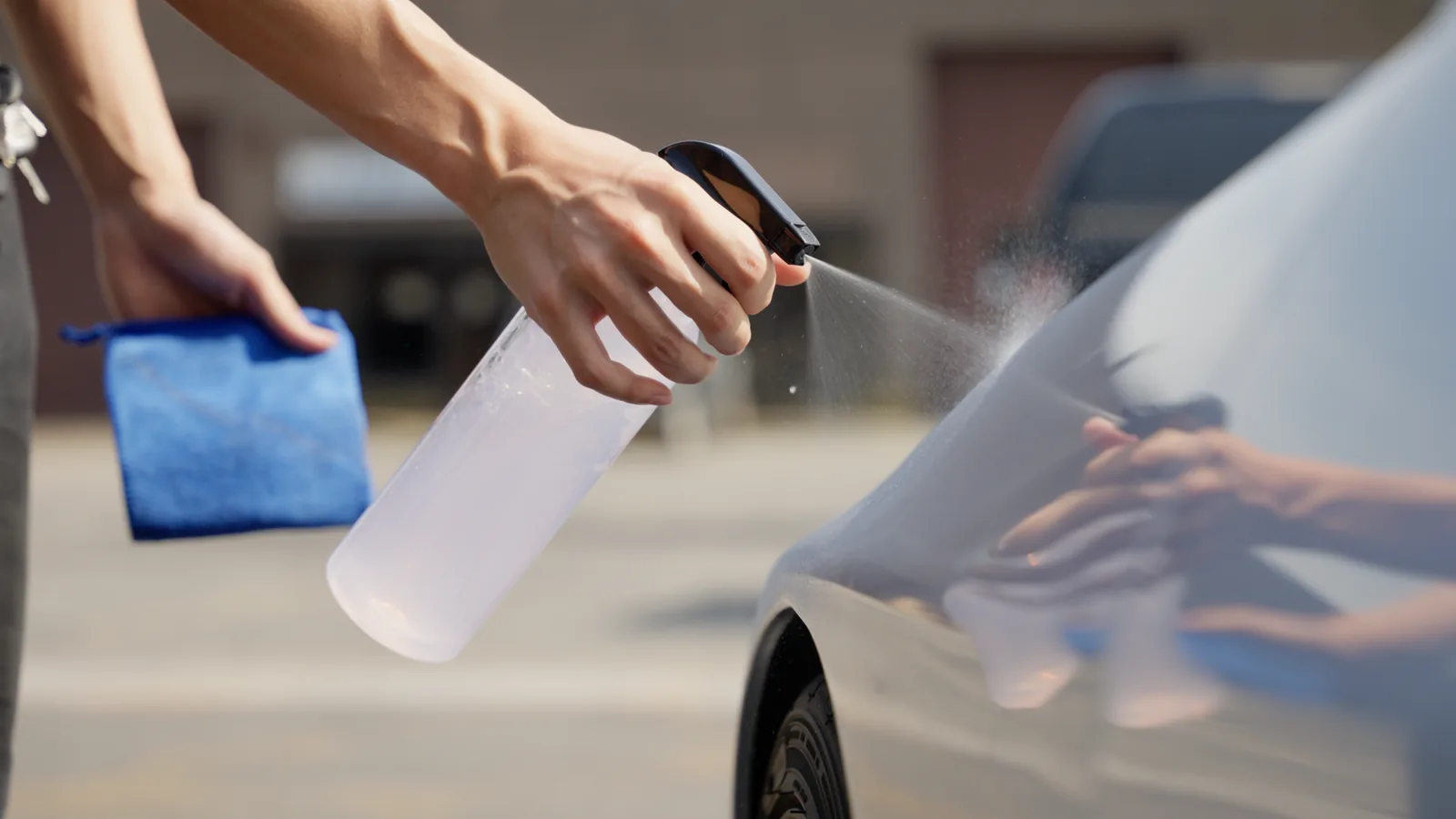
Application in daylight — spray onto the panel or applicator, then level. Photograph from our store product library.
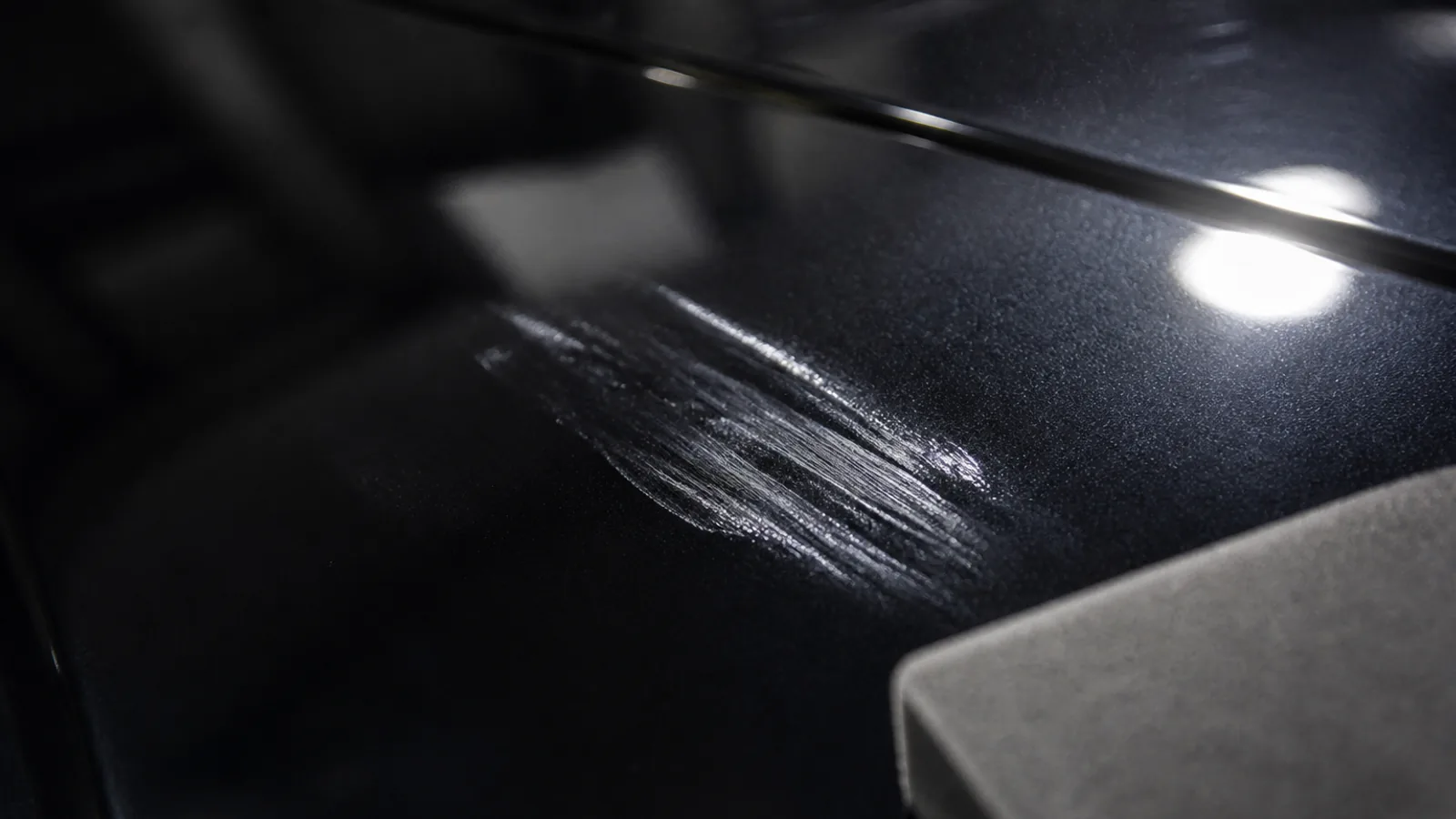
A high spot is an application failure, not a durability failure. Illustration.
Lifespan: months, and this is where claims get unreliable. Marketing routinely implies years. Our position, stated in more detail in how long coatings really last, is that published figures in this category are asserted rather than measured, which is why we are running an 18-month study with untreated controls instead of quoting a number.
What it does well: hydrophobic behaviour that genuinely outperforms the other categories, real chemical resistance against bird droppings and bug remains, and a slickness that makes washing safer and faster.
What it does poorly: it is less forgiving. High spots, thin coverage and applying in direct sun are common failures, and preparation matters far more than for wax or sealant — applied over old wax it bonds to the wax instead of your paint. It also does nothing for scratch resistance, whatever the marketing suggests.
Who it is for: people who will prepare the paint properly and want the least maintenance per year.
Professional ceramic coating
A thicker, multi-layer, professionally installed coating. Different product class from the spray, despite sharing the name.
Lifespan: years, plausibly, and the honest caveat is that this depends heavily on the installer.
What it does well: everything the spray does, more so and for longer.
What it does poorly: cost, and irreversibility. Removal means polishing it off. The installation is only as good as the preparation underneath it, which is why the installer matters more than the brand.
Who it is for: new cars, long ownership horizons, and people who would rather pay once.
The comparison in one paragraph
Wax looks best and lasts least. Sealant is the value pick and the safest choice if you are unsure. Spray coatings offer the best protection you can apply yourself, provided you prepare properly. Professional coatings last longest and cost the most.
Things that are true regardless of which you choose
None of them prevent scratches. Every category is marketed with language implying scratch resistance. A layer measured in microns does not stop a mechanical scratch, and if a coating did meaningfully resist abrasion it would also resist polishing, which it does not. Coatings prevent chemical etching and make contaminants easier to release. That is genuinely valuable and it is not the same claim.
Preparation determines the result more than product choice. All four bond to whatever is on the paint. Applied over contamination, they bond to contamination.
They can be layered, in one direction. Sealant or wax over a coating is fine and tops up the look. Coating over wax is not — it will not bond.
Your wash routine will outweigh your product choice. An automatic wash with brushes strips protection faster than weather does, and it puts in swirls that no product hides.
What we would tell a friend
If you are asking this question for the first time, buy a good sealant, learn to wash properly, and see whether you enjoy it. That costs very little, protects the car well, and teaches you what you actually want.
If you already wash carefully and want to stop thinking about protection, a spray coating is the upgrade — including, obviously, ours, and we would rather you chose it for that reason than because we implied it lasts five years.
Keep reading
All wax & sealants guides →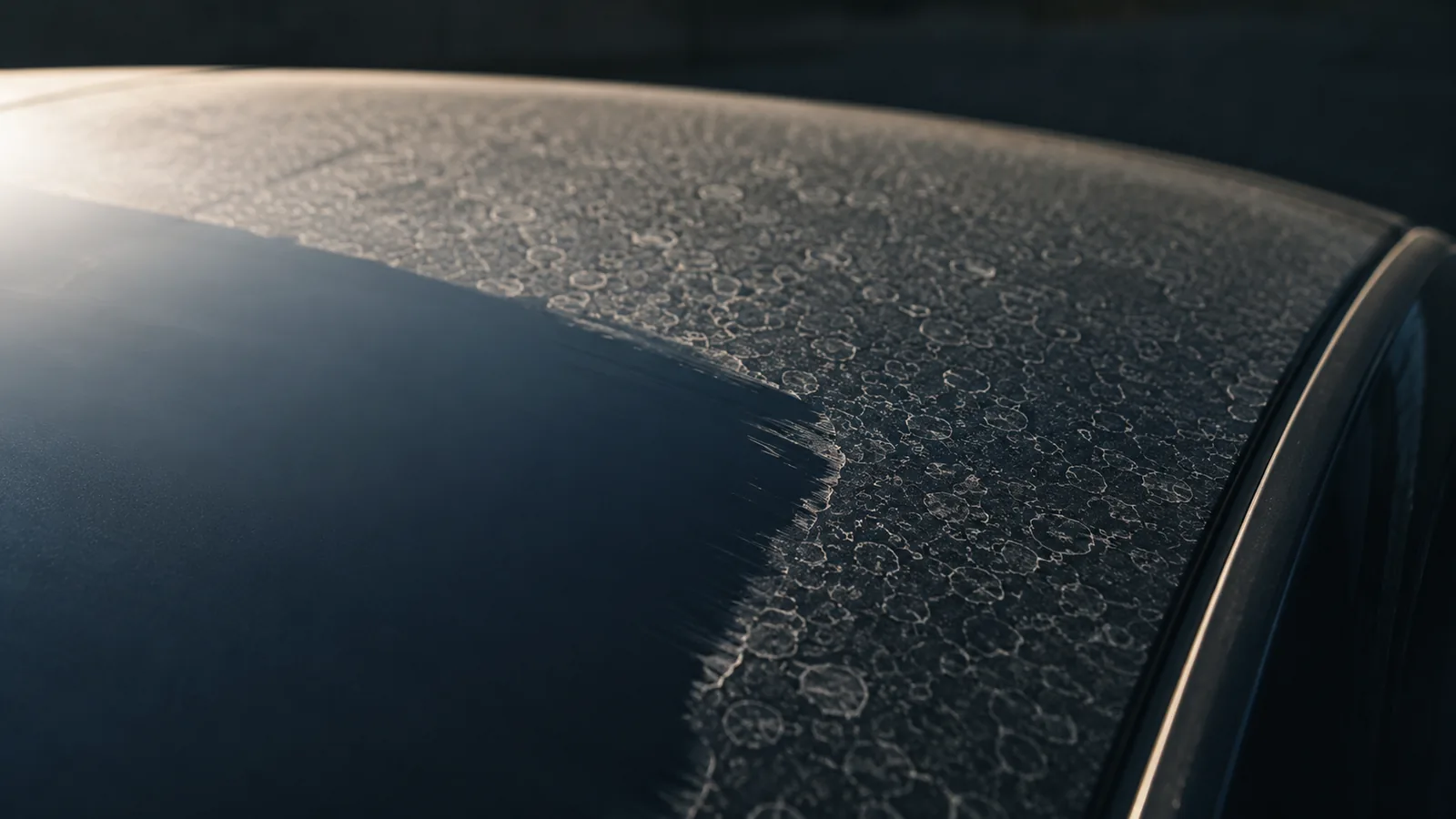
How Long Do Ceramic Coatings Really Last?
Durability claims in this category range from weeks to a decade for the same products. Why the numbers conflict, and what we are measuring instead of asserting.
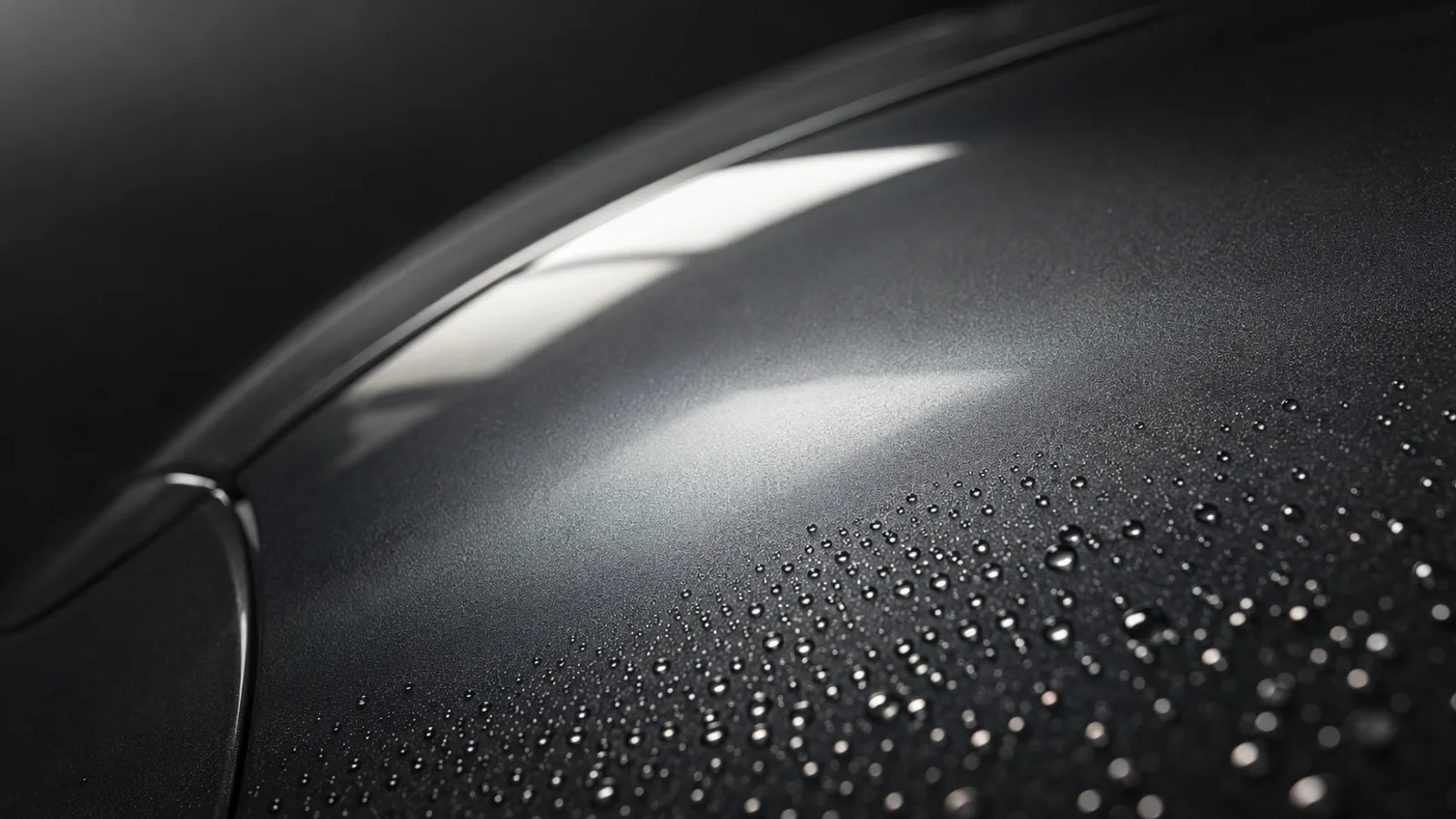
Graphene vs Ceramic Coating: What Is Actually Different
Nearly every graphene coating is a silica coating with graphene added. What that means for durability claims, and which differences we can currently measure.
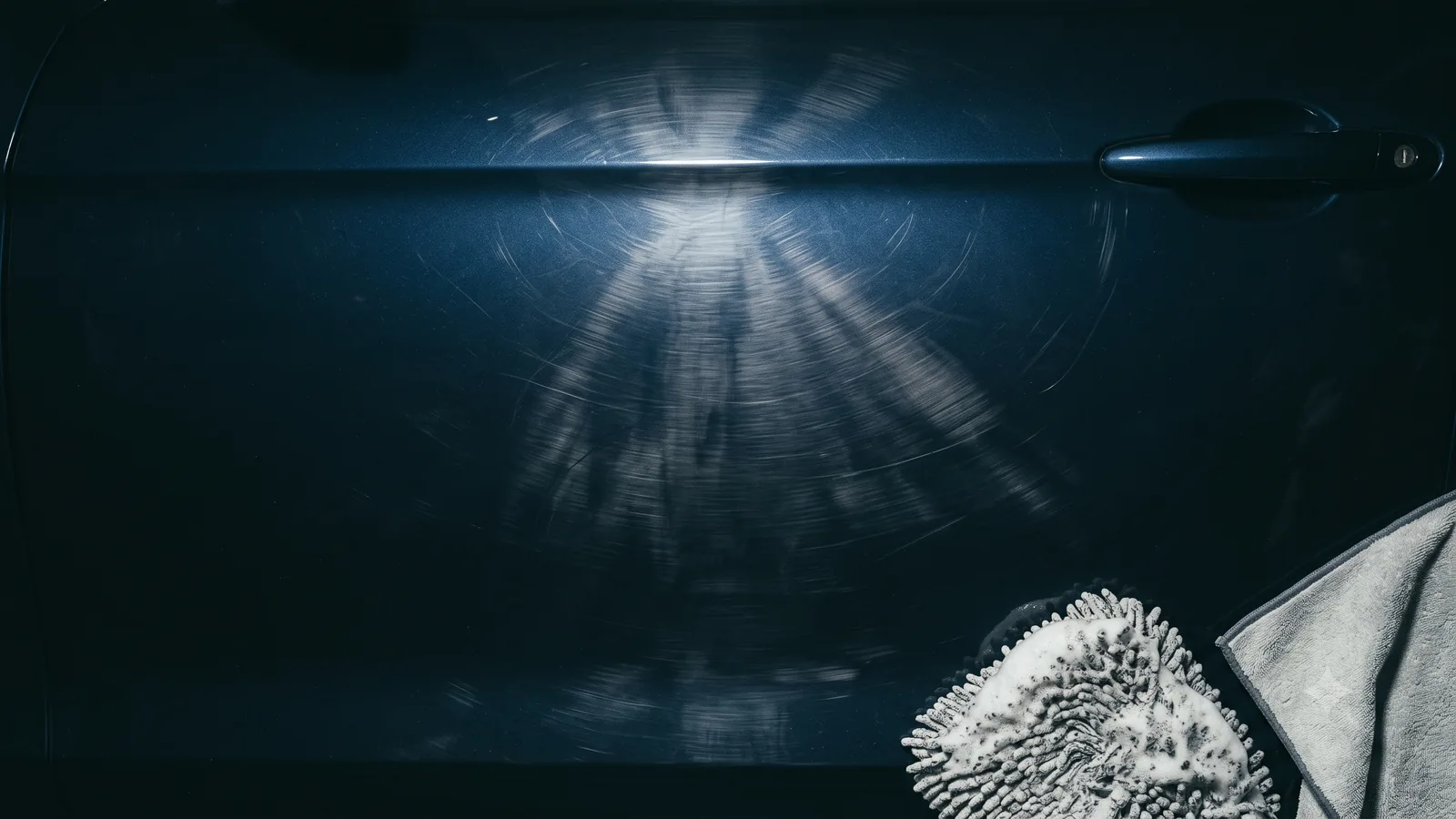
How to Wash a Car Without Scratching It
Most swirl marks are installed during washing and drying, not by weather. The technique that prevents them, and why two buckets is only half the answer.