Glass
How to Get Streak-Free Car Windows Without Guessing the Cause
Surface mineral deposits and etched glass need different fixes. A sequence for streak-free windows without guessing which problem you have.
By Ducky, Co-founder and Lead Tester, ShineMD
Ducky works for Shine Master Detailers LLC, which makes ShineMD.
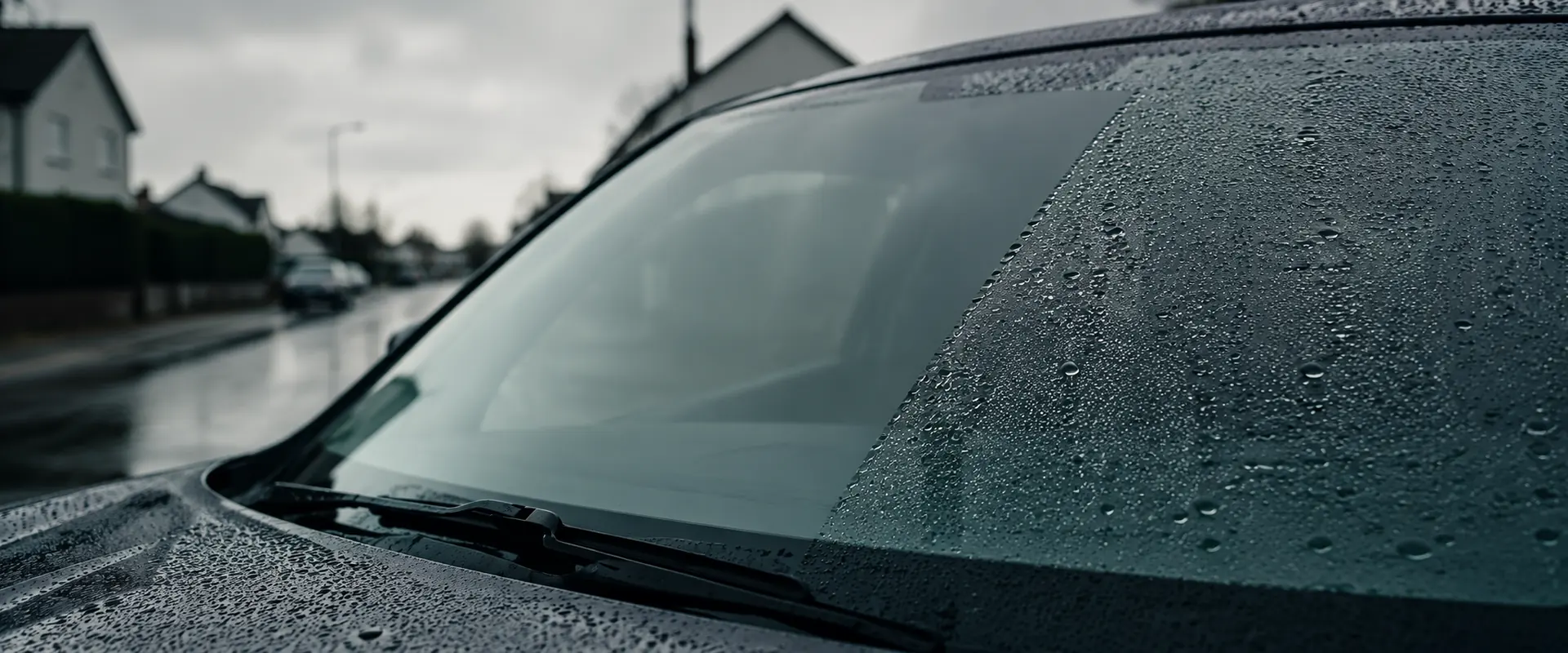
Streaks on car glass are usually leftover cleaner, leftover contamination, or light catching damage that no amount of wiping will erase. The mistake is treating every cloudy windscreen as a towel technique problem. Sometimes the glass is dirty. Sometimes it is etched. Those are different jobs.
Surface deposits versus etched glass
Do this diagnostic before you buy another glass polish.
Wash or rinse the glass and look while it is wet. If spots and haze largely disappear under water and return as it dries, you are dealing with material sitting on the surface — minerals from hard water, road film, or cleaner residue. Chemistry and proper wiping can fix that.
If the spots stay visible while the glass is wet, the surface itself is damaged. Minerals sat long enough, often with heat, to etch shallow pits. No glass cleaner dissolves a pit. That path leads to polishing with an abrasive designed for glass, heat management, and real risk of distortion if done poorly.
The same logic shows up on paint water spots; glass just makes the wet test easier to see through. If you are also fighting spots on bodywork, identify deposit versus etch there too rather than polishing everything by habit.
Interior film is a third category: off-gassed plastics, smoke, and skin oils build a greasy haze on the inside of the windscreen that exterior cleaners never touch. Clean both sides or you will chase streaks that only exist from one direction.
Why streaks keep coming back
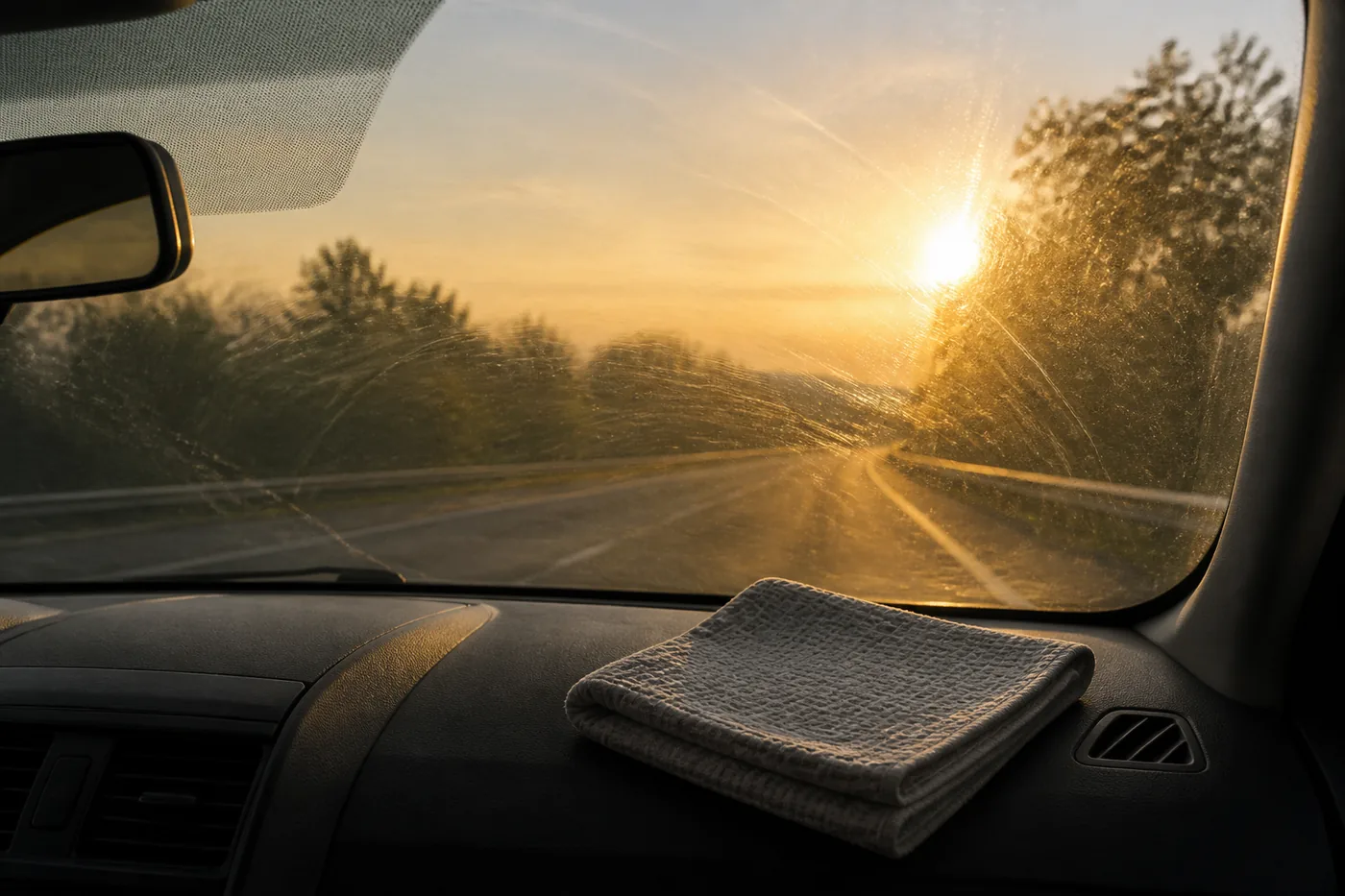
Glass you thought was clean, photographed into low sun. This is the only lighting condition that tells the truth about the inside of a windscreen. Illustration.
Working in sun on hot glass. Cleaner flashes, solids stay, and you polish residue into arcs with the towel.
Dirty or saturated towels. A towel that already holds old silicone, wax, or hard-water solids redeposits them as you wipe. Glass work needs clean, dedicated microfibres — not the same cloth that dressed tyres.
Product fighting product. Remnants of rain repellent, old wax overspray, and some dressings smear under glass cleaner. If the glass feels grabby or the towel chatters, you may need a dedicated glass polish or an isopropyl wipe (safe for surrounding trim) before normal cleaning behaves.
Hard water dried on the panel. Towel technique cannot beat a mineral crust. Dissolve or carefully polish the deposit class you actually have; do not just add more ammonia-blue liquid on top.
Sequence for streak-free glass
1. Cool shade, cool glass
Park out of direct sun. If the cabin is hot, crack doors and wait. Hot glass is where most DIY streaking starts.
2. Knock down loose grit
Rinse the exterior glass or wipe gently with a flooded clean microfibre so you are not dragging sand across the pane. Exterior glass shares the car’s road film; treat the lower windscreen and back glass as dirtier than they look.
3. Identify stubborn spots before the final wipe
Chalky rings that vanish when wet: use a dedicated water-spot remover or mild acid approach made for automotive glass, keep it off trim as directed, and rinse or wipe off completely. Smooth spots that survive wetting: stop treating them like dirt — that is etch territory.
Do not attack etch with endless cleaner. You will only burnish residue around the pits.
4. Clean the interior first when both sides are dirty
Interior haze smears differently and is easy to miss. Use a glass cleaner that does not leave heavy surfactant residue if you can help it. Spray the towel, not the headliner or electronics. Wipe in overlapping passes, then a second dry towel for the final buff.
Along the dashboard edge of the windscreen, fold the towel so you are not grinding grit into the glass. That lower band is where drivers notice streaks at night into oncoming lights.
5. Exterior clean with a deliberate towel pattern
Apply cleaner to the towel or glass per the product’s directions. Wipe in straight, overlapping strokes. Flip to a dry side or second towel and buff until the glass feels squeaky-clean, not slick. Horizontal on the inside and vertical on the outside (or the reverse, consistently) makes it obvious which side still has a streak when you check later.
6. Edges, wipers, and mirrors
Run a detailing towel along rubber seals and wiper rest areas where dirty water pools and redeposits on the first drive. Clean the wiper blades with a damp microfibre; a dirty blade rewrites streaks every time it sweeps. Mirrors get the same two-towel treatment as the windscreen — they show residue instantly.
7. Optional rain repellent only on clean glass
Hydrophobic glass coatings and rain treatments fail messily on top of contamination. If you use one, apply only after the glass is truly clean, keep overspray off paint if the product requires it, and accept that you have added another layer that future cleaners must deal with. We manufacture coatings for paint, not a miracle claim for glass — treat any beading product as maintenance chemistry, not proof the glass was “fixed.”
Common failure modes
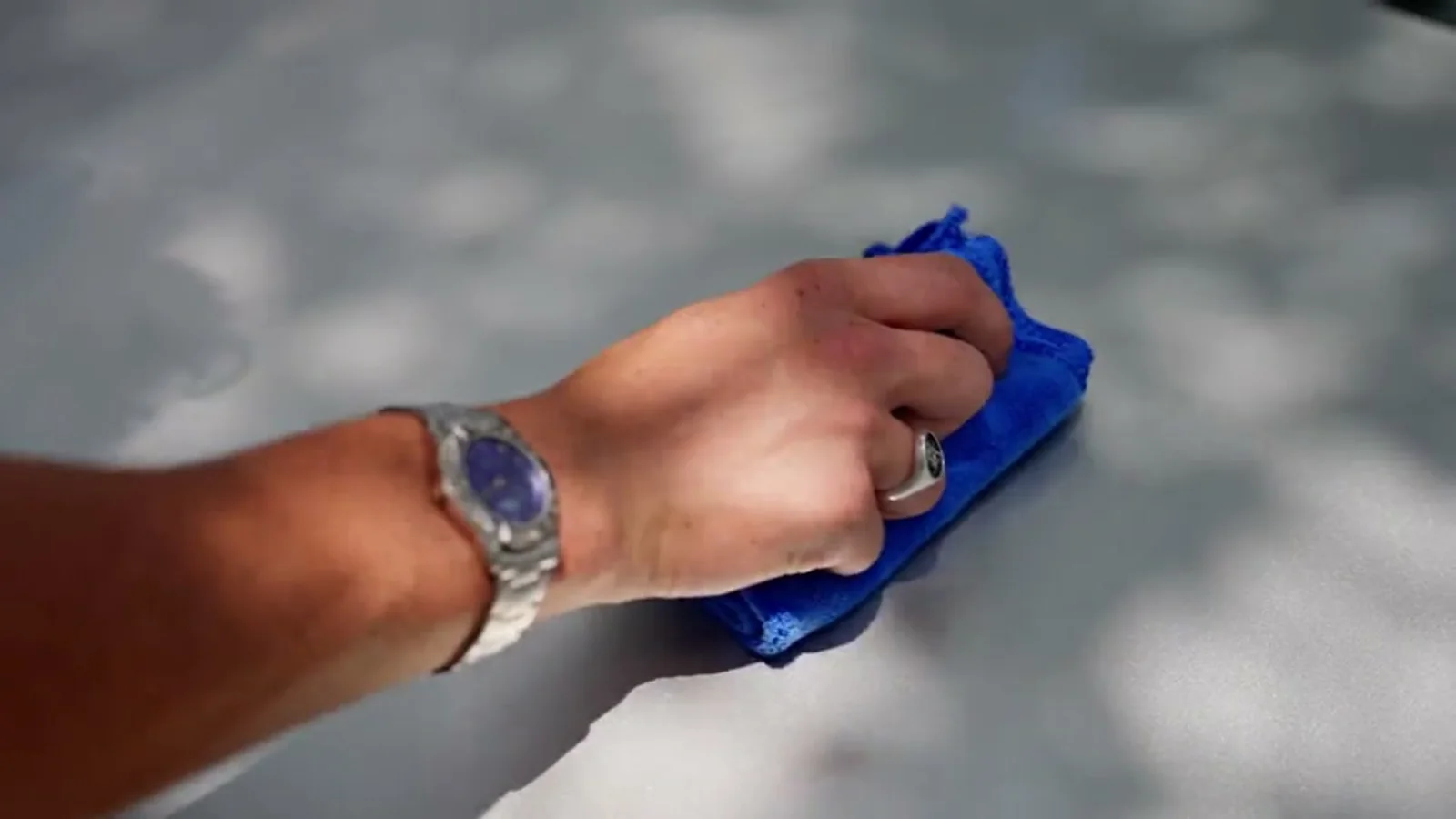
A flat, folded towel and a light touch. Most streaks are a towel problem or a product-volume problem rather than a glass problem. Illustration.
Paper towels and newspaper. They can work in a pinch on flat household glass; on curved automotive glass they often lint and scratch soft tints or already-damaged surfaces. Microfibre is the safer default.
One towel for the whole car. Exterior film and interior oils should not share a cloth with wheel cleaner history.
Polishing etch too hot or too long in one spot. Glass polishing generates heat and can distort optical quality. If you are past light hazing and into deep pits across a windscreen, that is no longer a casual afternoon project.
Ignoring the inside. If headlights show a greasy rainbow at night, start with the interior lower windscreen before blaming the exterior wash.
When to get professional help
Get help when the wet test shows widespread etching, when vision-safe clarity matters more than DIY curiosity, or when a rain-repellent layer has gone patchy and will not wipe even after careful decontamination. Windscreen replacement or professional glass polishing is the right answer sooner than most people want to admit once pits catch light at night. Clear view is a safety surface, not a place to invent aggressive experiments.
Keep reading
All glass guides →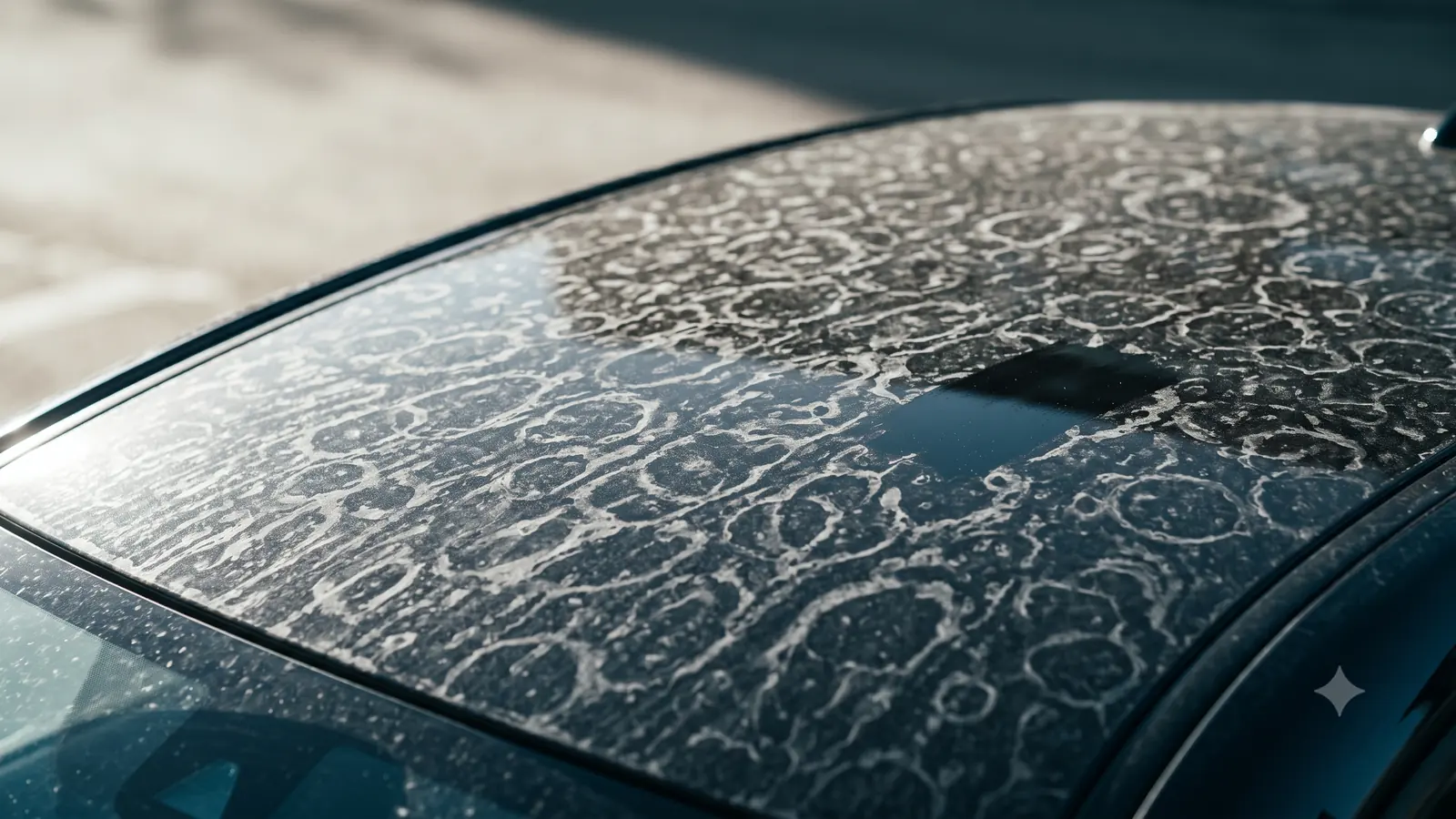
How to Remove Water Spots From Car Paint, By Type
Three different problems get called water spots and each needs a different fix. How to identify which one you have before you reach for anything abrasive.
How to Wash a Car Without Scratching It
Most swirl marks are installed during washing and drying, not by weather. The technique that prevents them, and why two buckets is only half the answer.